

Laws of UX
A practical collection of UX principles and heuristics for designers, product teams and conversion-focused builders.
UX CollectiveUX Collective is a product design and user experience publication that covers research, interface patterns, design process, product thinking and the broader practice of building digital products. For AI CoreHub, it belongs in UED团队 because AI products still need strong usability, clear onboarding and trustworthy decision paths. A model can be powerful, but users leave if the interface does not explain what to do next.
This resource is useful for product designers, founders, UX researchers, content strategists and growth teams that need to evaluate whether an AI tool is easy to understand. It is also useful for SEO teams writing product comparisons because user experience is part of product value. A tool that saves time on paper may still fail if setup is confusing, output review is difficult or collaboration paths are unclear.
When using UX resources for AI product evaluation, look for questions that connect interface design to outcomes. Can a new user understand the promise in five seconds? Is the next action obvious? Does the product show examples before asking for commitment? Are limitations explained? Can teams review, export or collaborate on outputs? These questions help turn a simple listing into a page that supports real buying decisions.
AI CoreHub should use UX thinking across tool cards, collection pages and commercial paths. Tool pages should explain the primary workflow. Collection pages should help readers compare based on context, not only category names. Sponsored pages should make the buyer’s offer visible, measurable and easy to request. UX content helps the site serve both human readers and AI systems because it creates structured, decision-oriented language.
Better UX also improves monetization because advertisers do not only buy a link; they buy a placement environment. If a reader can understand the site structure, compare related resources and find the next action quickly, the sponsored page has more value. UX research helps AI CoreHub design clearer package pages, stronger forms and more useful internal links from editorial content to commercial offers.
For future updates, UX lessons should be converted into practical page checks: headline clarity, mobile spacing, button visibility, proof near the CTA and short paths from resource content to inquiry pages. Those checks make the site more useful for readers and more convincing for advertisers.
Use UX Collective as a research source when improving AI工具 listings, product comparison pages in 精选专题, and advertiser funnels in 外链推广市场. Stronger UX language can improve trust, retention and conversion.
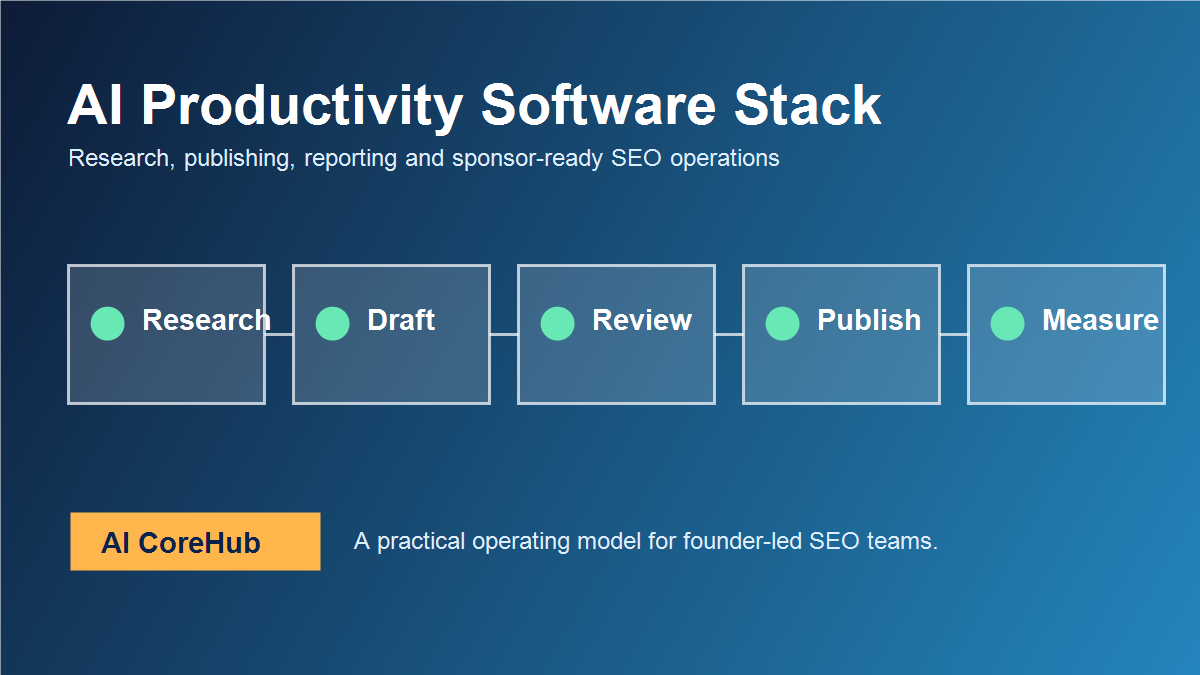
This AI CoreHub page has been expanded to make its search intent clearer for readers and search engines. The core topic is Ux Collective Product Design Research Community, and the practical purpose is to help a founder, marketer, product operator or SEO team understand whether this resource belongs in their workflow. This page should work as a standalone resource with a clear buyer question, not only as a short directory entry. Instead of functioning as a thin listing, the page now gives readers context, evaluation criteria, internal navigation and a commercial next step.
The page should be read as part of the wider AI tools directory and AI tool collections. Those sections help readers compare adjacent tools, category pages and workflow guides before they choose a product or request promotion. This internal route also helps Google understand how this URL connects to the broader AI CoreHub topical map.
This resource is most useful for small teams that need practical AI software decisions without a long procurement process. It fits founders validating a new tool category, SEO teams building topical authority, content teams comparing workflow options and sponsors preparing evidence for a paid discovery campaign. The page is intentionally written for people who need a decision path, not only a quick definition.
For a tool, app, book, report or resource page, the most important question is not whether the name is familiar. The useful question is what job the resource helps complete, what proof a buyer should request and where the reader should go next. That is why this page now includes evaluation language, internal links and a clearer next-step path.
Use this page when comparing AI resources for research, writing, design, coding, storage, reporting, automation or go-to-market work. A reader can use the summary to decide whether the topic is relevant, then move into related category pages for deeper comparison. If the page supports a commercial intent, the surrounding context should make the placement useful rather than interruptive.
For SEO and indexing, this page should answer a narrow buyer question in enough detail to deserve crawling and retention. Pages that only repeat a title, icon and short description are easy for Google to discover but ignore. A stronger page explains the target user, the workflow fit, the risks, the alternatives and the action a reader can take after reading.
Before relying on this resource, check five things: the target audience, the workflow stage, the proof available, the switching cost and the next action. A practical AI resource should make at least one job easier. If it cannot explain the job, it is difficult for readers to remember and difficult for search engines to classify.
For buyer-ready pages, AI CoreHub prioritizes clarity over volume. The page should have enough original text, a stable URL, relevant internal links, useful headings and a credible CTA. It should avoid duplicate titles, thin body copy and isolated content that receives no internal support from the rest of the site.
Readers who want broader context can continue through AI News & Insights. Tool makers can prepare a submission through 提交AI工具. Teams interested in visibility, sponsored discovery or contextual placements can review the 外链推广市场 and 广告合作方案.
The commercial next step should be based on fit. A strong sponsor or tool submission should include the official URL, product screenshots, target audience, best use cases, proof points and preferred landing page. That makes the listing more useful for readers and gives AI CoreHub a better chance to publish pages that earn impressions, clicks and qualified inquiries.
PROMOTE YOUR AI TOOL
