
Microsoft OneDrive
Microsoft cloud storage for files, Office documents, backups and collaboration across Microsoft 365.
Team cloud storage and collaboration workspace for managing shared files, approvals and document workflows.
 Zoho WorkDrive
Zoho WorkDrive is a team file management and cloud collaboration workspace built for businesses that need structured folders, shared access and document workflows. For AI CoreHub readers, it fits teams that manage SEO assets, outreach documents, AI tool launch kits, sponsored content briefs and client reporting files.
Zoho WorkDrive is useful for small agencies, remote teams and B2B operators that want a more organized alternative to scattered attachments and personal folders. It is not only a storage tool; it is also a workspace for keeping versioned content, design assets and approval documents in one place.
When comparing cloud storage tools, check permission controls, shared workspace structure, admin visibility, file recovery, integration with document editors and how quickly non-technical users can find the latest approved version. For commercial content teams, the biggest value is reducing messy handoffs before a launch.
Teams planning an AI tool launch can combine a shared asset folder with 提交AI工具 and a visibility campaign through 广告合作方案.
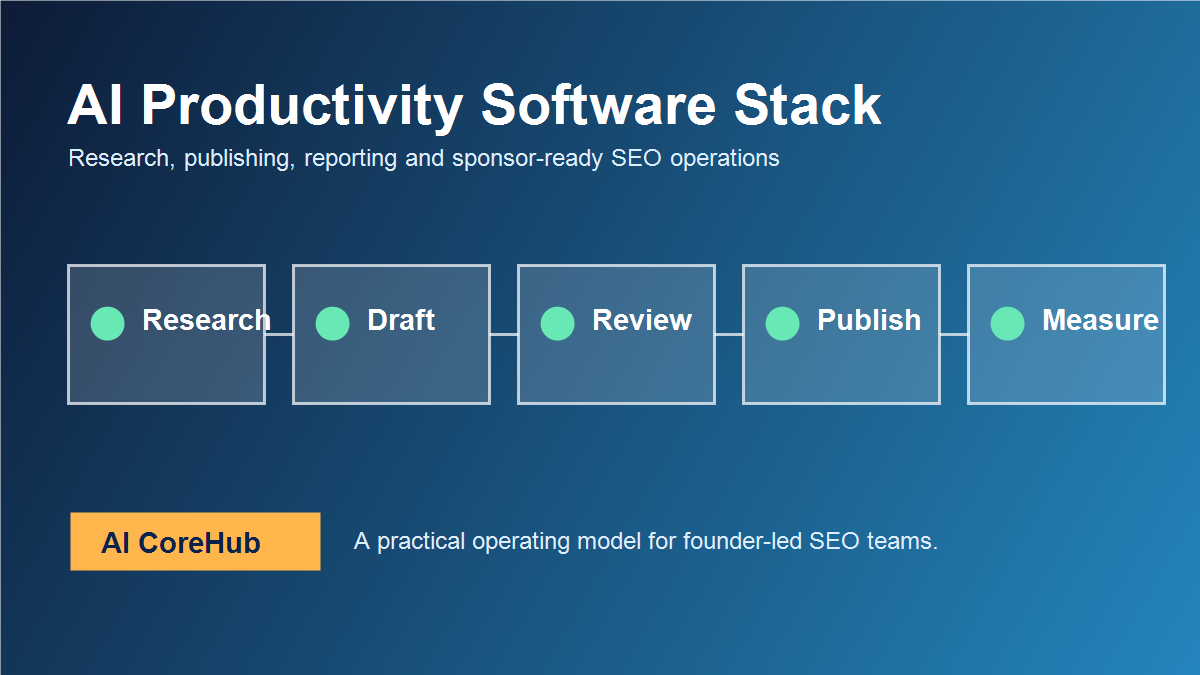
This AI CoreHub page has been expanded to make its search intent clearer for readers and search engines. The core topic is Zoho Workdrive Team Cloud Collaboration, and the practical purpose is to help a founder, marketer, product operator or SEO team understand whether this resource belongs in their workflow. This topic belongs to a cluster, so the page must state a distinct angle and route readers to the right next step. Instead of functioning as a thin listing, the page now gives readers context, evaluation criteria, internal navigation and a commercial next step.
The page should be read as part of the wider AI tools directory and AI tool collections. Those sections help readers compare adjacent tools, category pages and workflow guides before they choose a product or request promotion. This internal route also helps Google understand how this URL connects to the broader AI CoreHub topical map.
This resource is most useful for small teams that need practical AI software decisions without a long procurement process. It fits founders validating a new tool category, SEO teams building topical authority, content teams comparing workflow options and sponsors preparing evidence for a paid discovery campaign. The page is intentionally written for people who need a decision path, not only a quick definition.
For a tool, app, book, report or resource page, the most important question is not whether the name is familiar. The useful question is what job the resource helps complete, what proof a buyer should request and where the reader should go next. That is why this page now includes evaluation language, internal links and a clearer next-step path.
Use this page when comparing AI resources for research, writing, design, coding, storage, reporting, automation or go-to-market work. A reader can use the summary to decide whether the topic is relevant, then move into related category pages for deeper comparison. If the page supports a commercial intent, the surrounding context should make the placement useful rather than interruptive.
For SEO and indexing, this page should answer a narrow buyer question in enough detail to deserve crawling and retention. Pages that only repeat a title, icon and short description are easy for Google to discover but ignore. A stronger page explains the target user, the workflow fit, the risks, the alternatives and the action a reader can take after reading.
Before relying on this resource, check five things: the target audience, the workflow stage, the proof available, the switching cost and the next action. A practical AI resource should make at least one job easier. If it cannot explain the job, it is difficult for readers to remember and difficult for search engines to classify.
For buyer-ready pages, AI CoreHub prioritizes clarity over volume. The page should have enough original text, a stable URL, relevant internal links, useful headings and a credible CTA. It should avoid duplicate titles, thin body copy and isolated content that receives no internal support from the rest of the site.
Readers who want broader context can continue through AI News & Insights. Tool makers can prepare a submission through 提交AI工具. Teams interested in visibility, sponsored discovery or contextual placements can review the 外链推广市场 and 广告合作方案.
The commercial next step should be based on fit. A strong sponsor or tool submission should include the official URL, product screenshots, target audience, best use cases, proof points and preferred landing page. That makes the listing more useful for readers and gives AI CoreHub a better chance to publish pages that earn impressions, clicks and qualified inquiries.
PROMOTE YOUR AI TOOL
