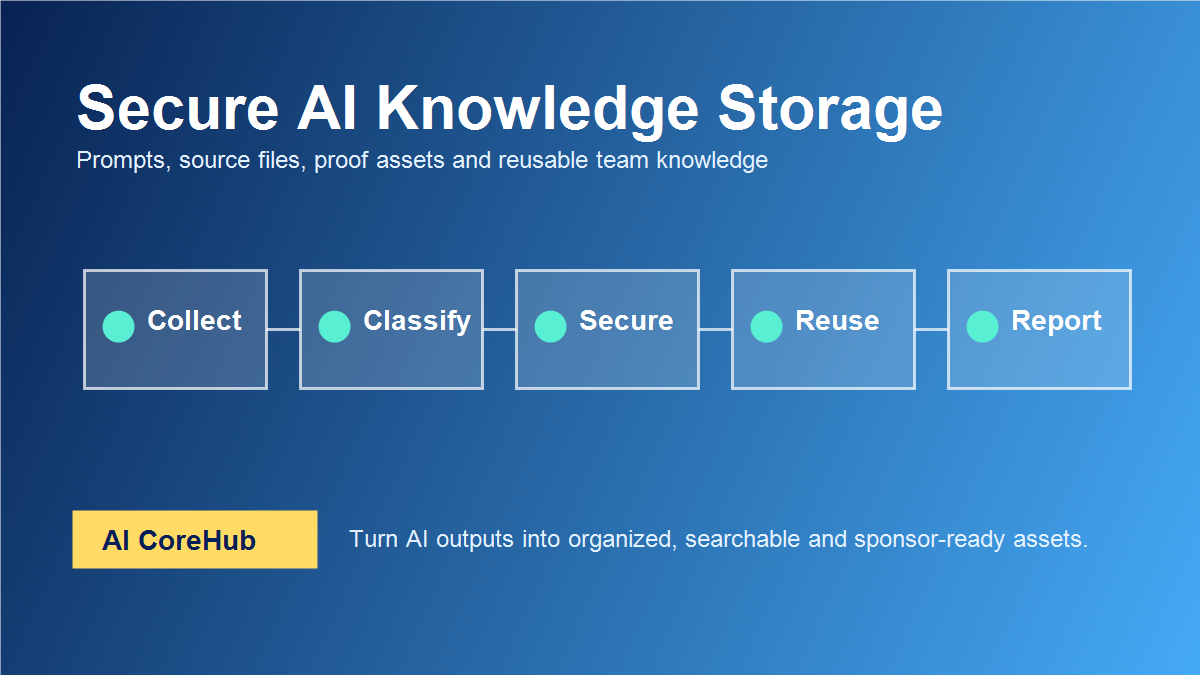
AI Productivity Software Stack for Founder-Led SEO Operations
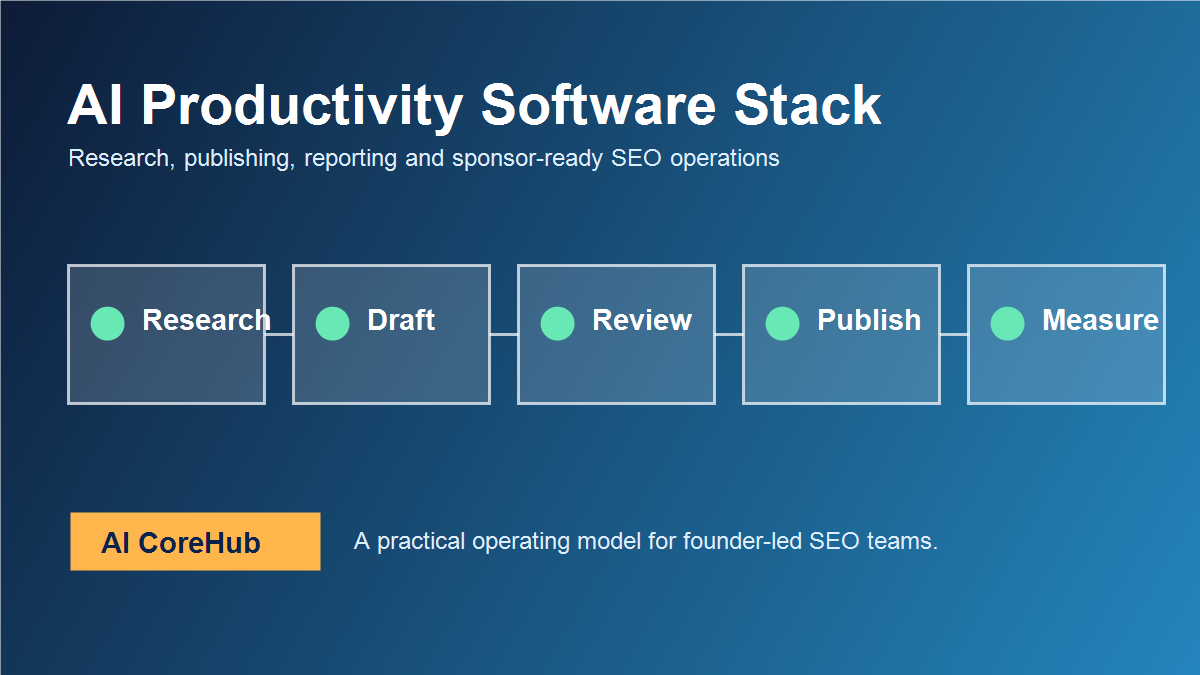
Why founder-led SEO needs a practical AI software stack
Founder-led SEO usually starts with a simple problem: the team knows the market, but it does not have enough time to turn that knowledge into consistent research, content, reporting and commercial pages. AI software can help, but only when it is organized around an operating workflow. A random pile of apps creates more switching costs than leverage. A useful stack should help a founder discover buyer questions, turn those questions into useful content, publish with enough depth for indexing and measure whether the page supports revenue.
This page is designed for founders, solo marketers and small SEO teams that need a lean productivity stack rather than a heavy enterprise process. The goal is not to chase every new app. The goal is to build a small workflow that connects research, drafting, review, publishing, internal linking and sponsor-ready conversion paths. A reader can use the AI tools directory to compare options, use AI tool collections to group tools by use case and then connect the best pages to commercial routes such as the 外链推广市场 or 广告合作方案.
Who this is for
This workflow is for teams that need publishing momentum without lowering quality. It fits AI tool directories, SaaS blogs, resource libraries, comparison pages and niche marketplaces. It is especially useful when the same person handles keyword research, editorial decisions, WordPress publishing, 搜索 Console checks and advertiser conversations. In that situation, the software stack must reduce decision fatigue and make repeatable quality checks easier.
The workflow also helps teams that have pages discovered by Google but not yet indexed. Those pages often need clearer value, stronger structure, better internal links and more visible depth. A productivity stack should help editors strengthen existing URLs before creating more near-duplicate pages. That is important for AI CoreHub because each published page should work as a durable asset: it should answer a specific buyer question, help search engines understand the site structure and give advertisers a clearer reason to sponsor visibility.
Practical use cases
The first use case is research collection. A founder needs to capture tool categories, buyer questions, pain points, objections and proof examples in one place. The best software for this stage is not necessarily the flashiest writing assistant. It is the tool that helps the team build a clean research base and reuse it across future pages. For AI CoreHub, that research can feed product directory entries, category collections and editorial explainers in AI News & Insights.
The second use case is drafting structured pages. Every serious content asset should have a title, stable keyword slug, summary, image, body sections, internal links and a next step. AI can speed up drafting, but the editor still needs to define the audience and the search intent. A good software workflow makes those requirements visible before publishing, so the team does not accidentally publish a short card that has no standalone value.
The third use case is commercial routing. A content page should not end with a dead end. If the reader is evaluating tools, route them toward relevant directories or submission paths. If the reader is a SaaS marketer, route them toward sponsorship, backlinks or advertising information. The page should serve readers first, but it should also explain what a qualified commercial next step looks like.
Evaluation checklist for the software stack
Start by checking whether the stack supports a single source of truth. Notes, briefs, screenshots, keyword ideas and sponsor requirements should not be scattered across disconnected tools. If the team cannot find the original research behind a page, it cannot improve that page later. This matters for indexing because updates often work better than publishing another similar URL.
Next, check whether the stack supports editorial quality gates. Before a page goes live, the team should confirm that the body has enough unique content, the image is relevant, the alt text is descriptive, the slug is stable, the internal links are useful and the CTA is appropriate. These checks do not need to be complex, but they should be consistent. A simple repeatable checklist prevents most thin-page problems.
Then evaluate measurement. The stack should make it easy to see which pages attract impressions, which pages receive clicks, which pages route visitors toward commercial offers and which pages remain discovered but unindexed. Without measurement, AI-assisted publishing becomes volume for its own sake. With measurement, the team can decide whether to expand a topic, consolidate weak URLs or improve the conversion path.
Finally, evaluate buyer readiness. If a page might support paid discovery, it should make the audience, use case and placement context clear. Advertisers are more likely to buy when they understand where their product fits and how the page helps qualified readers make a decision. That is why commercial content should explain service boundaries and proof requirements rather than only asking for a purchase.
How to choose tools without overbuilding
Choose the smallest stack that covers the workflow. A practical setup can include one research workspace, one AI writing or outlining tool, one visual asset process, one publishing system and one reporting view. Adding more tools should solve a real bottleneck. If a new tool only makes the workflow look more advanced, it probably belongs outside the core stack.
For a founder-led site, the strongest stack is the one that keeps pages maintainable. A tool should help create better briefs, stronger sections, more specific examples, cleaner internal links and more useful commercial prompts. It should not encourage publishing many similar pages with small title differences. When in doubt, update an existing page and make it more helpful before creating a new URL.
Next step
The next step is to map the current publishing process from research to revenue. List the pages that already bring impressions, the pages that are discovered but not indexed and the pages that can support sponsorship. Then choose software that improves those exact stages. AI CoreHub can keep turning high-value workflows into durable resources, while directing qualified tool makers toward 提交AI工具 and commercial buyers toward sponsor-ready marketplace pages.
For sponsors, the best preparation is a clear evidence package: product URL, target audience, use cases, screenshots, proof points and the buyer question the product answers. For editors, the best preparation is a consistent page brief. When both sides bring better assets, AI CoreHub can publish pages that are more useful to readers, easier for Google to understand and stronger as revenue assets.
GROW WITH AI COREHUB
Promote an AI tool or strengthen your SEO visibility
Turn this research traffic into business visibility with AI tool submissions, sponsored content and niche-relevant backlink placements.© 版权声明
文章版权归作者所有,未经允许请勿转载。
相关文章



暂无评论...